How to Weigh Your Cat at Home: The Right Method and the Role of the App
 Put Rodrigo Oliveira
Monitoring your cat's weight is one of the simplest ways to notice early on that something is wrong. Weight fluctuations in felines often appear well before any visible symptoms—which is why it's worthwhile to have a method and a record of it.
The first point, however, needs to be clear: No app weighs your cat.. Smartphones don't have a mass sensor. What apps do—and do well—is save the value you measured, create a graph, and show the trend over the months.
The method that works at home
For adult cats, use the litter box scale:
1. Step onto the scale holding the cat in your lap and write down the value.
2. Go down, go back up alone, and write it down again.
3. Subtract the second from the first. The difference is the cat's weight.
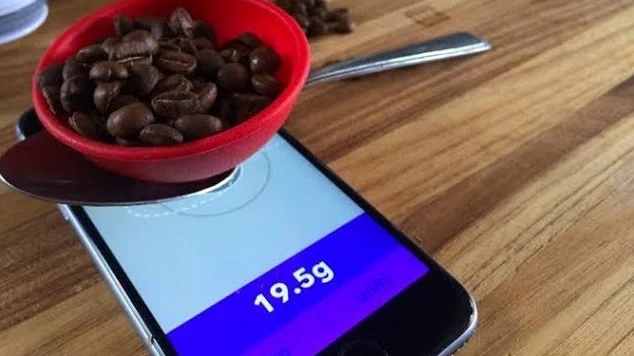
For puppies and small cats, a kitchen scale works best: place an empty box on it, zero it using the tare function, put the cat inside, and read the weight directly. Precision in grams matters when the animal weighs three or four kilograms.
Always weigh yourself using the same scale, at the same time, and preferably before a meal. Switching scales mid-monitoring will skew the comparison, because household scales have different deviations between them.
Advantages of registering on the app
Visible trend
A single number says little. The six-month growth chart shows whether the cat is stable, gaining weight, or losing weight steadily.
Context along with weight
Recording changes in pet food, changes of address, the arrival of another animal, and episodes of stress helps explain what the graph shows.
Medical record in hand
Vaccinations, deworming, flea and tick control, and consultations all in one place. When it comes time for treatment, that's worth more than just remembering.
Reminders
Monthly weigh-ins and regular doses are easy to forget. The app reminds you.
Report for the veterinarian
An exported history clearly shows the evolution and shortens the conversation during the consultation.
When weight becomes a warning sign
In a 4 kg cat, a loss of 300 grams represents more than 7% of body weight. Weight loss of this magnitude in just a few weeks warrants veterinary evaluation: it may indicate kidney, dental, endocrine, or parasitic problems. Continuous weight gain is also a concern, because obesity in cats increases the risk of diabetes and worsens joint problems.
An important detail: the chart is meant to provide information to the veterinarian, not to replace a consultation or to adjust the diet on your own.
Why a cat's weight matters more than it seems.
Cats hide illness — it's a species-specific behavior, and that's why weight is usually the first objective sign that something has changed, long before any visible symptoms.
- Weight loss It can be accompanied by kidney problems, thyroid issues, diabetes, oral pain, and parasites. In adult cats, weight loss without a change in diet is never a trivial matter.
- Weight gain Silent bleeding is the gateway to feline obesity, which increases the risk of diabetes, osteoarthritis, and urinary problems.
- Small variations make a big difference. In an animal weighing only a few kilograms, a few hundred grams already represent a significant fraction of the body weight—which is why the scale needs to have good resolution.
Monitoring your cat's weight monthly, always at the same time and under the same conditions, is one of the most useful at-home measures for feline health — and it costs nothing more than discipline.
Body condition score: what the scale doesn't tell you
Weight alone does not distinguish muscle from fat. The assessment that completes the picture is visual and tactile, and any pet owner can learn this:
- Ribs. You should feel them by running your hand over them, with a light layer on top—like the back of your hand. If you have to press to find them, there are too many; if they are easily visible, there are too few.
- View from above. There should be a discreet waistline behind the ribs. An oval-shaped body without a waist indicates excess muscle.
- Side view. The abdomen should rise slightly towards the hind legs.
- Abdominal pouch. That hanging fold on the belly is normal in cats and is not a sign of obesity in itself.
Register weight It is A score on the same form is what provides a complete reading — and it's exactly the type of history the veterinarian requests during the consultation.
How to weigh yourself without stress.
- Lap method: Step onto the scale holding the cat, write down the weight, step down, step back on alone, and subtract the result. That's what the veterinarian does when the animal won't stay still.
- Kitchen scale with case, For puppies and small cats: empty the box and place the animal inside. The resolution is usually much better than using a bathroom scale.
- Use the shipping box to your advantage. Leaving it out in the house, with a familiar blanket, reduces the stress of weighing and going to the vet.
- Always at the same time, preferably before a meal.
- Don't force it. A frustrated cat struggles, and the number goes wrong, risking a scratch. Two short attempts yield more than one long one.
And what no It works: estimating a cat's weight from a photo or body measurement. The variation in coat, size, and conformation between breeds is too great, and the margin of error would be greater than the variation you need to detect—which is precisely the point of weighing.
What to do when the number changes
The value of monitoring lies in noticing changes early. Signs that indicate the need for a veterinary consultation:
- Progressive loss over the course of several weigh-ins, even small ones, without changing the diet.
- Hair loss associated with increased thirst and urination., a classic combination that deserves immediate evaluation.
- Loss of appetite while maintaining or increasing it., which points to specific causes.
- Quick profit, especially after neutering, when energy needs decrease and the food intake usually remains the same.
- Weight stable with decreasing muscle mass. — perceived by the score, not by the scale.
Bring a written record: date, weight, score, and what changed in the routine. A series of months is worth much more than "I think he lost weight.".
Food: why measurement matters
- Weigh the feed in grams. Instead of using a cup or a handful. The difference between a full measure and a "spread" measure is enormous for a small animal.
- Keep the jar always full. It works for some cats and is the main cause of excess weight in others. If weight gain occurs, this is the first variable to change.
- Snacks are included in the bill. It often accounts for more of the daily total than the tutor realizes.
- Wet food It helps with water intake, which is important for feline urinary health.
- Changing the diet should be done gradually., Mixing it for a few days can help prevent rejection and digestive discomfort.
- Interactive feeder It slows down those who eat quickly and keeps the animal occupied — useful for indoor cats.
Any weight loss or gain plan should be guided by a veterinarian: cats that lose weight too quickly are at serious risk of liver problems, and this is specific to the species.
Choosing the right scale for your cat
- Resolution above all else. A standard bathroom scale rounds in increments that are too large to detect the variation that matters in an animal weighing only a few kilograms. For serious monitoring, opt for a digital kitchen scale, which measures in grams.
- Tare function It's essential: it zeroes the weight of the box or blanket before placing the animal inside.
- Stable platform. Cats won't stay still on small, slippery surfaces; a shallow box with a familiar blanket will do the trick.
- For large adult cats, The method of using your lap on a bathroom scale remains the most practical—just don't expect pinpoint accuracy.
- Always store the scale in the same place. And use the same surface: uneven flooring alters the readability.
And the routine that works: one weighing per month In healthy adult cats, it is more frequent in kittens, senior cats, or during treatment — always at the same time and before meals. It is noted down, with the date. This record transforms a random number into useful clinical information.
Common questions
No. The app records and tracks weight data; the actual measurement has to come from a bathroom or kitchen scale.
No. Smartphones don't have a weight sensor, and no app can circumvent this physical limitation. Apps that promise this are simulators.
There is no validated method for dogs and cats. Coat, posture, and camera angle change the apparent outline, and a regular photo doesn't provide a scale reference. The lap-on-scale method is faster and much more accurate.
Once a month for a healthy adult animal. Weekly for a kitten. For a cat with a chronic illness monitored by a veterinarian, follow the interval indicated by the veterinarian.
Most of it is free, with extra features available for a fee, such as cloud synchronization, multiple animals, or reports. Before installing, check the permissions: a weight notebook doesn't need access to contacts or messages.
Yes. Most accept multiple animals, with separate records and histories. The weighing method is the same: place them on a bathroom scale, or use a tare box on a kitchen scale for small animals.
Read too
- App for Weighing Cattle: The Tape Measure Formula and How to Measure Correctly
- Home Workouts: The Best Apps and How to Get Started Right
- Free Apps for Weighing Cattle: What's Free and What's Not
- App for Weighing Cattle: Real Advantages and Myths of the Field
- App for Taking Cat Photos: Sounds, Light, and What Works
- Free Apps for Weighing Animals: What They Really Do