
The most expensive phrase on Black Friday is "it was much more expensive before." Every year, some of the deals advertised as unmissable are simply prices that went up weeks before and returned to normal on Friday. Therefore, the most useful app at this time isn't the one that shows the most promotions—it's the one that shows the... price history and allows you to verify if the discount is real.
This guide shows you how to check a price before buying, which Brazilian tools do this job, how to set up alerts so you don't have to constantly check your phone, and how to recognize the most common pitfalls of major sales events.

How to know if the discount is real?
The verification takes less than a minute and resolves most regrets. The essential step is to look at the price chart for the last few months, The discount is not the advertised percentage. If the "from" value appeared two weeks ago and the "to" value is the price the product had in September, there was no discount at all.
It is also worth comparing the total valueProduct plus shipping, with the coupon already applied. An offer with expensive shipping can end up costing more than a higher price with delivery included. And check the seller on the marketplace: the same product often has several offers, with very different delivery times and reputations.
Tools for comparing prices and tracking history.
1. Zoom
A price comparison tool that gathers offers from various stores on the same page and shows the price variation over time. It's the kind of tool that answers the right question: is this price good in relation to the historical price, or only in relation to the advertised price?
It also allows you to set up alerts to be notified when the value drops to the level you have defined. Access Zoom.
2. Buscapé
One of the oldest price comparison sites in the country. In addition to listing offers by store, it indicates price evolution, which helps identify inflated prices before a campaign.
It's worth using it in conjunction with another comparison tool: none covers all stores, and the difference between them often reveals a better offer. Access Buscapé.
3. Promobit
A collaborative platform where users themselves post deals and comment on whether the price is truly good. The collective curation is fast: offers with inflated prices are debunked in the comments within minutes.
It has product alerts that notify you when a specific item goes on sale. Like all platforms of this type, it works with affiliate links — which are legitimate and declared. Access Promobit.
4. Google Shopping
It aggregates offers from a huge number of stores and shows the price range, giving a good idea of the fair value before any campaign. It's especially useful for products with many variations and sellers.
It allows you to save products and track price changes over time. Access Google Shopping.
5. Peeling
A discount community where users vote on the best deals. The voting system acts as a collective filter: weak promotions sink, real promotions rise.
It also allows you to create a wish list and receive notifications when an item goes on sale. Access Pelando.
Coupons and cashback: the extra layer
After confirming that the price is good, it's still possible to reduce it further with coupons and cashback. In Brazil, Cuponomia (rated 4.8 and with over 59,000 reviews on Google Play) and Méliuz (A rating of 4.7 and over 1.3 million reviews) are the two benchmarks.
The cashback money comes from the affiliate commission that the store pays for each referred sale — which is why it takes so long to be released, since the store only pays after the return period, and it is canceled if you open the store through another channel in the middle of the process.
Common pitfalls of major holidays
- Price inflated before the campaign. Only history reveals the truth. That's the reason this article exists.
- Installment plans that hide interest. Always compare the cash price with the total amount when paying in installments.
- Different version of the product. A model with less memory, without accessories, or from a previous generation with an almost identical name.
- Unknown seller on the marketplace. Check reputation and delivery time before looking at the price.
- Fake website advertised via link. Type the store's address into your browser instead of clicking on a link received via message.
- Artificial countdown. The timer that resets when the page reloads exists solely to speed up the decision.
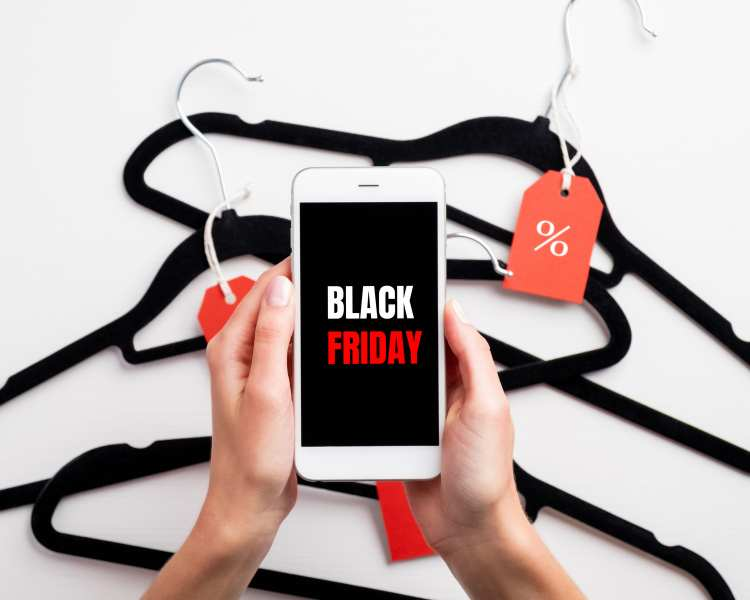
How to prepare before the campaign
Preparation is what separates those who save money from those who buy on impulse. Make a list of what you really intend to buy weeks in advance and set up price alerts on comparison websites. That way, you'll arrive on the day knowing the fair price of each item.
It's also worth having your registration ready at the stores, with your address and payment method saved, and checking if there are any coupons available within the marketplace's own app—this tends to be the most reliable. Those who arrive prepared buy what they planned in five minutes and ignore the rest.
How does the price behave before major dates?
Understanding the cycle is what separates those who save from those who pay more thinking they saved money. The pattern that repeats itself:
- Weeks before, Some products rise discreetly. It's not a general rule, but it happens often enough to justify monitoring the historical data.
- The day before, The "from" price appears inflated — and the advertised discount is calculated on that price.
- On the day, There are real, deep discounts on parts of the catalog, usually on items the store wants to move, and cosmetic discounts on the rest.
- After, Many prices revert to their previous level — which is sometimes lower than the "promotional" price.
Defense costs nothing: Monitor the price of what you want for a few weeks beforehand.. With the historical data in hand, the question changes from "is the discount good?" to "is this the lowest price this product has ever had?".
The traps that work best
- Countdown. The timer on the page creates an artificial sense of urgency — and it often resets when you reload.
- “"Last units available.". Declared shortage without possible verification.
- Installment plans that hide the total amount. Always compare the cash price with the sum of the installments.
- Free shipping on orders over a certain amount., which makes you add unnecessary items and spend more than you saved.
- A combo that looks like a discount. and it includes a product you wouldn't use.
- Different version of the product. A model with less memory, without accessories, or from a previous generation with an almost identical name.
- Coupon that only exists via a received link. via text message — the preferred format for the scam.
Your rights in these purchases
Two protections are worth more than any coupon, and almost nobody uses them:
- Regret in 7 days. Purchases made outside of a physical store — via the internet, phone, or catalog — can be cancelled within 7 calendar days of receipt., without needing to justify, with a full refund, including shipping. This is stipulated in the Consumer Protection Code.
- The advertised price is mandatory. The advertised offer binds the supplier; if the store advertises a price and then refuses to honor it, there is legal basis to demand payment. Save a screenshot with the date and time.
Add to that the registration on a public platform for resolving consumer disputes, which usually resolves issues faster than the store's customer service — and leaves a formal record.
The list before the discount
- Make the list beforehand. Buying things at a discount that weren't on your list is the opposite of saving money.
- Define the target price. for each item, based on historical data — not on the advertised discount.
- Register in advance. In the stores that interest you. Signing up in a hurry during a purchase is where you end up making mistakes with your address and payment method.
- Check your card limit and billing date. Large purchases at the turn of the year change the payment month.
- Activate price alert In comparison sites, you'll be notified without having to check.
- Combine cashback and coupons only where permitted. — in many programs, one cancels out the other.
- Save everything: ad page, confirmation email, and order number.
Conclusion
The essential app for finding the best deal isn't the one that advertises the most promotions, but rather the one that lets you check the price history: Zoom, Buscapé, Google Shopping, Promobit, and Pelando do this job. After confirming that the discount is real, coupons and cashback with Cuponomia and Méliuz can reduce it even further.
The rule that sums it all up can be summed up in one line: compare the total amount paid, look at the graph for the last few months, and be wary of any timer. A real discount is still a discount the next day.
Read too
- Discount Coupon: Where Does It Come From and How to Know if It's Real?
- Free Wi-Fi While Traveling: How to Prepare Before Leaving Home
- Memory cleaning: what to do before buying a new cell phone.
- Recovering Videos from Your Cell Phone: Where to Look Before Installing Anything
- Free Japanese Movies: Where Are Anime and Real Cinema?
- View Your House by Satellite: What Appears and How to Request the Blur